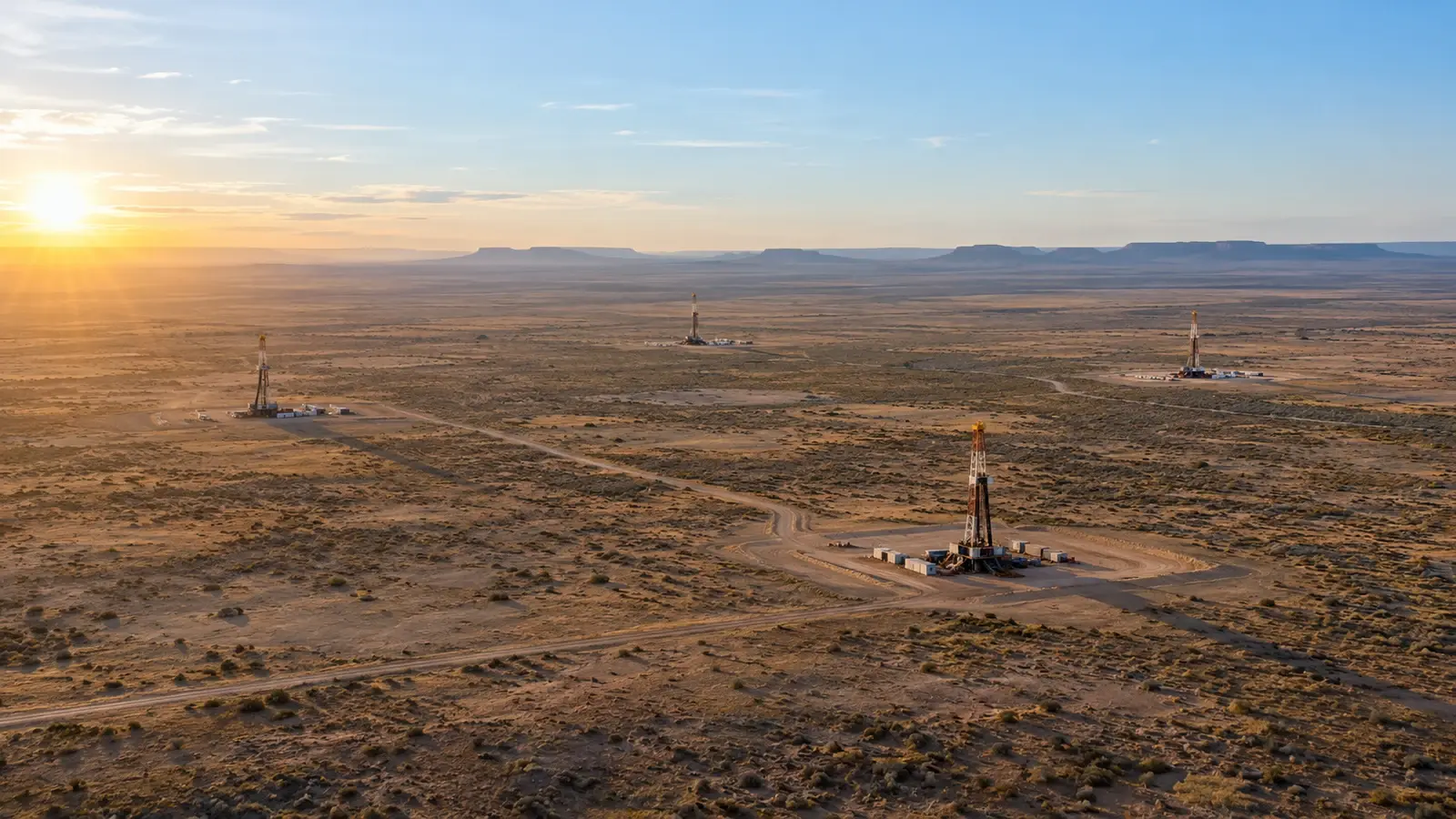
Baker Hughes reported 607 active U.S. rigs on November 25, unchanged from its November 20 count. The company published the weekly update on Wednesday rather than Friday because of the Thanksgiving schedule.
The mix shifted even though the national total did not. Oil-directed rigs rose by one to 470, gas-directed rigs fell by one to 127, and the miscellaneous category remained at 10. Compared with November 26, 2025, the overall U.S. count was 63 rigs higher.
The Permian Basin remained at 277 rigs in the latest North America report. That steady reading keeps the basin at the center of current drilling activity for people following future well and production activity in Texas and New Mexico.
Separately, the U.S. Energy Information Administration estimated domestic crude oil production at 14.065 million barrels per day for the week ended November 20. That was 33,000 barrels per day above the agency's estimate of 14.032 million barrels per day for the previous week.
What the numbers show
The Thanksgiving-week report produced a stable headline with movement underneath it:
- 607 total U.S. rigs: unchanged from November 20.
- 470 oil-directed rigs: up one for the week.
- 127 gas-directed rigs: down one for the week.
- 10 miscellaneous rigs: unchanged.
- 277 Permian rigs: unchanged in the latest report.
- 14.065 million barrels per day: EIA's U.S. crude production estimate for the week ended November 20.
Baker Hughes describes its active rig count as a leading indicator for demand tied to drilling, completing, producing and processing hydrocarbons. The count does not measure current oil output directly. Instead, it shows how many rigs are actively working, while the EIA series provides a separate weekly estimate of production.
Why it matters for owners
A flat national count can mask changes in the kind of drilling taking place. This week, one additional oil-directed rig offset one fewer gas-directed rig, leaving the overall number unchanged. The Permian reading was also steady, showing that operators maintained the basin's recent level of drilling activity through the holiday-shortened reporting week.
For people monitoring activity in Texas and New Mexico, the 277-rig Permian count is the key regional signal. A sustained count can indicate that operators are continuing to deploy drilling equipment, although individual wells and local activity can move differently from the basin total.
The EIA estimate adds a current production measure to that forward-looking activity signal. U.S. crude output increased by an estimated 33,000 barrels per day week over week even as the latest rig total held steady. The two series measure different parts of the operating cycle and should be read separately.
What to watch
The next Baker Hughes weekly update will show whether the increase in oil-directed rigs continues after Thanksgiving and whether the Permian remains at 277. Changes in the basin count would provide a fresh signal for near-term drilling activity across Texas and New Mexico.
The next EIA weekly estimate will show whether U.S. crude production remains above 14 million barrels per day. Together, the rig and production updates will help track whether steady drilling activity is being accompanied by continued output growth.